
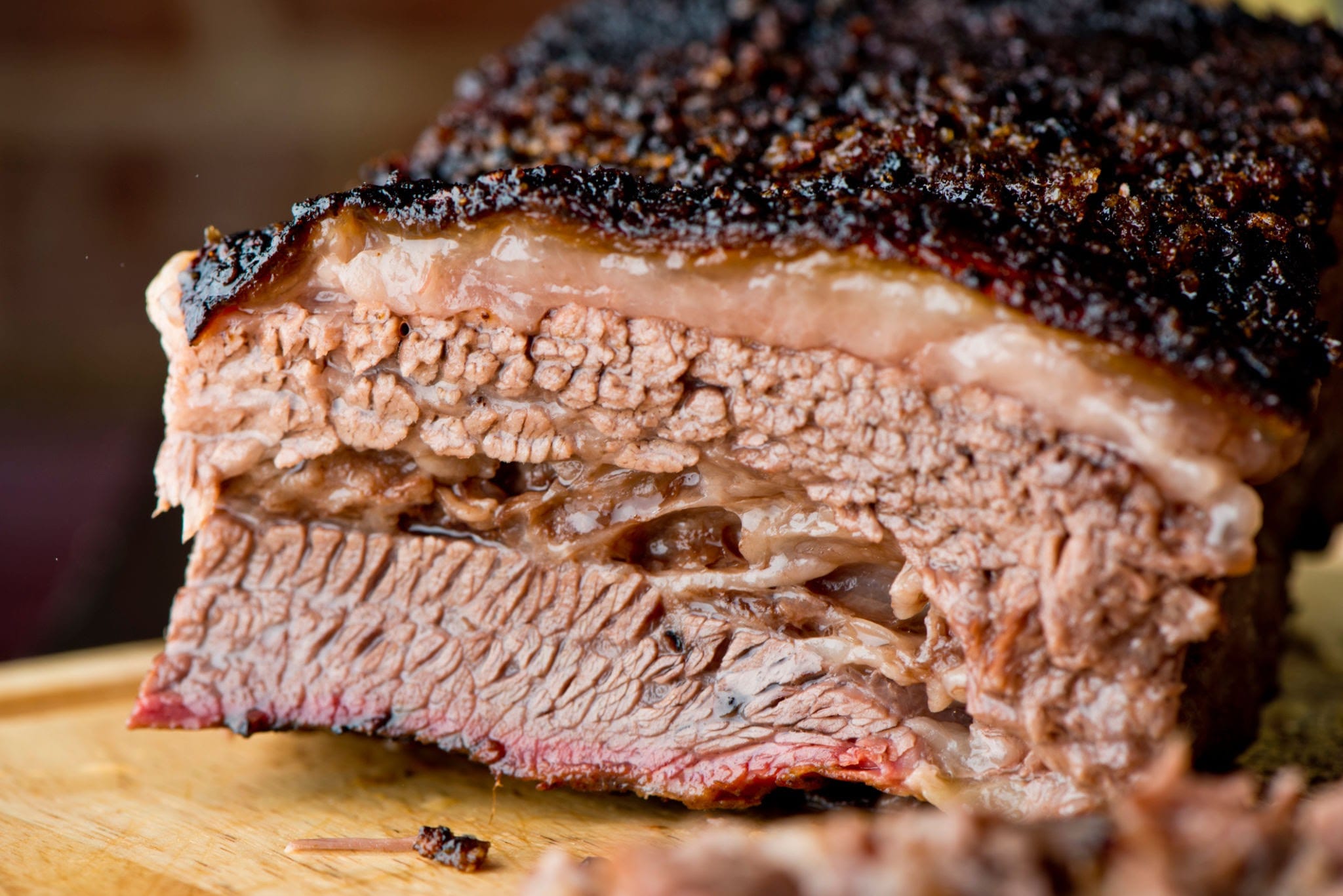
The Ultimate Texas Smoked Brisket with Dillo® Dust
If there is one cut of meat that defines Texas barbecue, it is the legendary beef brisket. Achieving that perfect, melt-in-your-mouth tenderness with a rich, peppery bark might seem intimidating, but with the right technique and the perfect Texas Dry Rub seasoning, anyone can become a backyard pitmaster.
Today, we are showing you how to smoke a competition-worthy brisket using our signature dry rub.
Why This Recipe Works
Smoking a brisket is a labor of love that requires patience and respect for the meat. This recipe works because it relies on the authentic, low-and-slow Texas method. We do not use heavy, sugar-laden sauces that burn or mask the beef. Instead, we let a high-quality dry rub for smoking create a robust bark that locks in moisture and enhances the natural beefy flavor.
The Secret Ingredient: Dillo® Dust Brisket Bark Seasoning
To get that authentic Central Texas flavor, you need a rub that perfectly balances savory, salty, and smoky notes. For this recipe, we are using Dillo® Dust Texas Brisket Bark Dry Rub Seasoning. Originally developed for LaRue Tactical, this all-natural rub contains no MSG, no artificial preservatives, and no anti-caking chemicals. It is certified gluten-free, making it an excellent choice for clean-label cooking.
Want to explore more flavors? Check out our full lineup in the Shop or browse all our blends in the Seasonings Category.
Ingredients
- 1 Whole Packer Brisket: (12-15 lbs), well-marbled
- 1/2 to 1 cup Dillo® Dust Texas Brisket Bark Dry Rub Seasoning: Adjust based on the size of your brisket
- Yellow Mustard or Olive Oil: (Optional, used as a binder)
- Beef Broth or Apple Cider Vinegar: (For spritzing)
Step-by-Step Smoking Guide
- Trim the Brisket: Leave a 1/4 inch fat cap.
Using a sharp boning knife, trim the hard fat from the brisket. Aim to leave an even 1/4-inch layer of fat across the top to protect the meat during the long cook and keep it moist.
2.Apply the Binder and Seasoning:
Lightly coat the brisket in yellow mustard or olive oil. Generously apply Dillo® Dust to all sides, pressing it gently into the meat. Let the seasoned brisket rest at room temperature for 45-60 minutes while you prep the smoker.
3. Fire Up the Smoker:
Preheat your offset, pellet, or charcoal smoker to 225°F – 250°F. Oak, hickory, or pecan wood chunks are highly recommended for authentic Texas flavor.
4. Smoke the Brisket:
Place the brisket fat-side up (or toward the heat source) on the grates. Smoke undisturbed for the first 3 hours. Afterward, spritz the edges with beef broth or apple cider vinegar every 45 minutes if they look dry.
5. The Texas Crutch (Wrapping):
Once the brisket reaches an internal temperature of 165°F and a deep, dark bark has formed, remove it from the smoker. Tightly wrap the brisket in unlined pink butcher paper (or heavy-duty aluminum foil).
6. Finish the Cook:
Return the wrapped brisket to the smoker. Continue cooking until the internal temperature in the thickest part of the flat reaches 200°F – 205°F and the meat probe slides in with zero resistance (like warm butter).
7. Rest the Meat: Crucial for juicy brisket.
Remove the brisket from the smoker and let it rest in a dry, insulated cooler for at least 2 hours before slicing. Slice against the grain to serve.
Pro Tips for the Best Brisket
- Do Not Rush the Stall: Around 150°F-165°F, the brisket’s temperature will stop rising as moisture evaporates and cools the meat. Be patient; wrapping helps push through this phase.
- Slice Only What You Eat: Brisket dries out quickly once sliced. Keep the rest of the roast whole until you are ready for seconds.
Frequently Asked Questions
Is Dillo® Dust gluten-free?
Yes! Dillo® Dust is certified gluten-free and crafted with premium, all-natural ingredients.
How much BBQ rub should I use for a brisket?
A good rule of thumb is 1/2 to 1 cup for a standard whole packer brisket, ensuring an even coating without burying the meat.
Leave a Reply
You must be logged in to post a comment.